
Description
-
Tramadol: Importance to Society
Understanding Tramadol
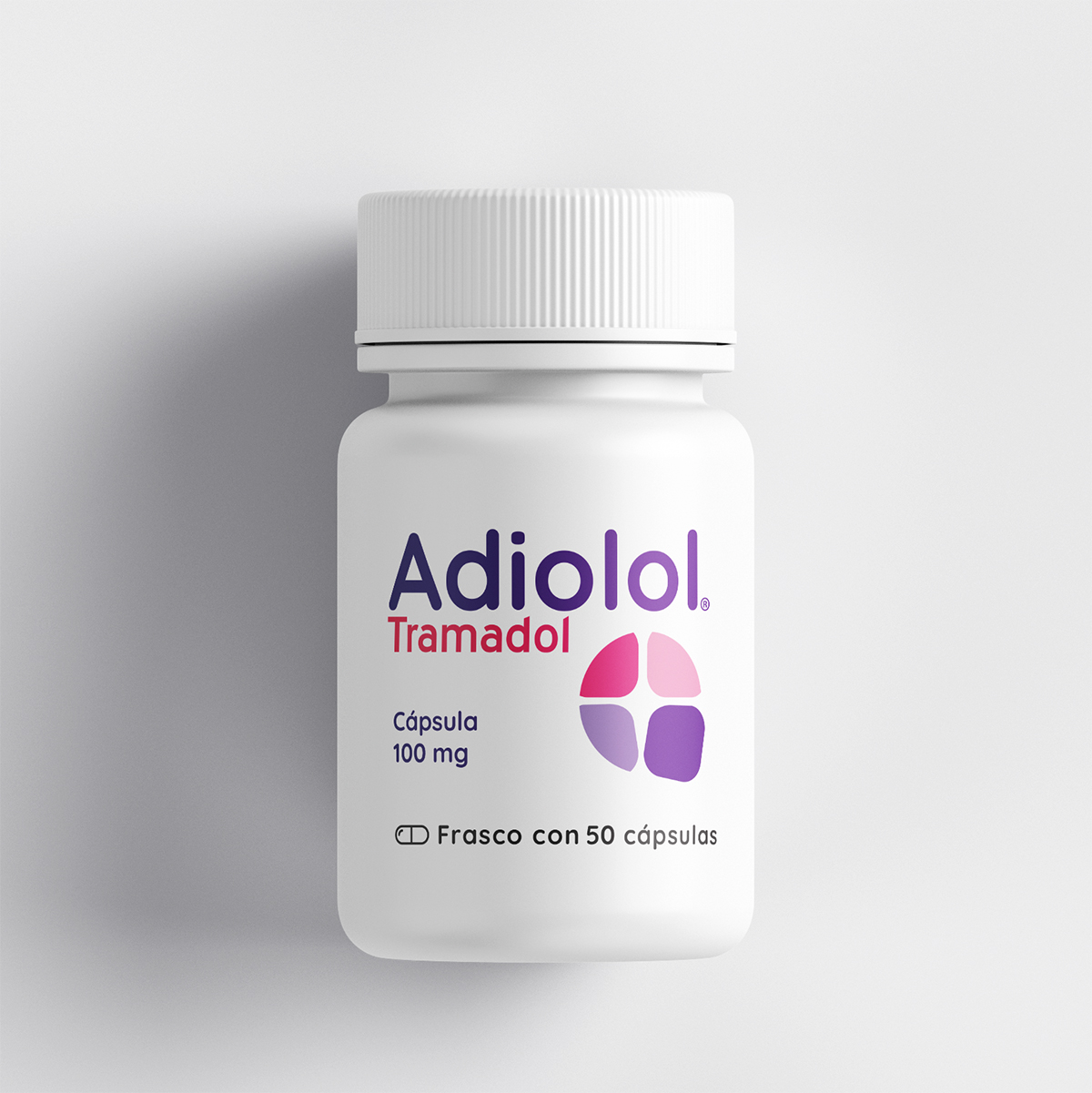
Tramadol is a synthetic opioid analgesic used to treat moderate to moderately severe pain. It acts through a dual mechanism — weak μ-opioid receptor agonism and inhibition of serotonin and norepinephrine reuptake — making it distinct from stronger opioids like morphine or Oxycodone. This dual action provides pain relief while theoretically reducing addiction risk, though recent studies challenge that assumption.Tramadol importance to society
Medical Applications
- Chronic pain management — Used for conditions such as osteoarthritis, fibromyalgia, and neuropathic pain.
- Post-surgical recovery — Helps patients manage pain after operations.
- Alternative to stronger opioids — Often prescribed when non-opioid analgesics fail, but stronger opioids are deemed too risky.
Pharmacological Profile
Tramadol’s metabolism involves conversion to O-desmethyltramadol, its active form, which binds to opioid receptors. Its slower onset and weaker potency make it less likely to cause immediate euphoria, but long-term use can still lead to dependence.
.The Societal Importance of Tramadol
Tramadol’s widespread use reflects society’s ongoing struggle to balance pain management with public health safety.
Accessibility and Perception
Tramadol has been marketed as a “safer opioid,” leading to its inclusion in pain management guidelines worldwide. Prescriptions have surged, especially in developing countries, where it’s often seen as a cost-effective option.
Economic and Healthcare Impact
- Affordable pain relief — Tramadol’s low cost makes it accessible to millions.
- Reduced reliance on stronger opioids — Helps mitigate the risks associated with drugs like Oxycodone.
- Healthcare burden — Rising misuse and side effects increase hospital admissions and treatment costs.
Ethical Considerations
The perception of Tramadol as harmless has led to overprescription and self-medication, especially in regions with limited healthcare oversight. This raises ethical questions about pharmaceutical marketing and global pain management equity. Tramadol importance to society
Risks and Challenges
Side Effects and Safety Concerns
Recent research from BMJ Evidence-Based Medicine and Harvard Health shows that Tramadol’s pain relief is modest, while its risks — including heart disease, nausea, dizziness, and constipation — are significant.
- Addiction and MisuseAlthough considered less addictive, Tramadol can still cause physical dependence and withdrawal symptoms. In some regions, it’s used recreationally for its sedative effects, contributing to opioid misuse epidemics.
Global Regulation
Countries such as Egypt and Nigeria have tightened controls on Tramadol after widespread abuse. The World Health Organization now classifies it as a controlled substance in many jurisdictions.
Guidelines for Responsible Use
Medical Guidelines
- Prescribe only for moderate pain unresponsive to non-opioids.
- Limit duration to short-term use.
- Monitor patients for signs of dependency or serotonin syndrome.
Societal Guidelines
- Public education — Raise awareness about risks and safe use.
- Policy enforcement — Regulate distribution and prevent illegal trade.
- Rehabilitation programs — Support individuals recovering from misuse.
Role of Healthcare Providers
Alternatives and Future Directions
Non-Opioid Pain Management
- NSAIDs (ibuprofen, naproxen)
- Acetaminophen
- Physical therapy and mindfulness-based pain control
Research and Innovation
New pain treatments aim to replicate Tramadol’s benefits without its risks. Studies explore non-opioid analgesics and neuromodulation therapies as safer long-term solutions.
Conclusion
Tramadol’s importance to society lies in its accessibility and role as a bridge between non-opioid and strong opioid pain relief. Yet, its growing misuse and modest efficacy highlight the need for stricter guidelines, public education, and continued research. Society must treat Tramadol not as a “safe opioid,” but as a controlled medicine requiring respect, regulation, and responsibility.
Reviews
There are no reviews yet.