
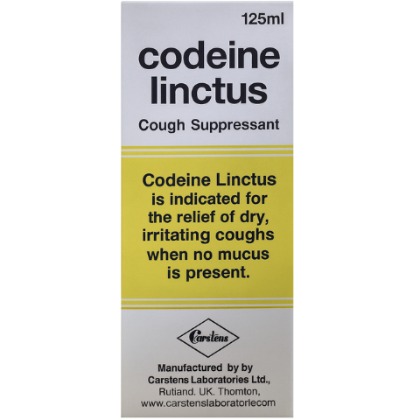

Description
Codeine Linctus: Importance to Society
What Is Codeine Linctus?
- Definition: An oral solution containing codeine phosphate, used to treat persistent dry cough in adults.
- Medical Use: Effective for chronic cough lasting over 8 weeks, especially when non‑opioid treatments fail.
- Reclassification (2024): Now prescription‑only in the UK due to abuse and overdose risks.
Pharmacological Profile
- Acts as a μ‑opioid receptor agonist.
- Provides cough suppression but has limited efficacy for short‑term cough.
- Metabolized into morphine, which carries addictive potential.
Medical Importance
- Relief for chronic cough — Improves the quality of life for patients with long‑term respiratory irritation.
- Alternative when non‑opioids fail — Used when standard cough suppressants are ineffective.
- Healthcare reliance — Still considered valuable in specialist respiratory care.Codeine Linctus medical use
Ethical Considerations
Doctors must weigh modest benefits against significant risks, prescribing only when strictly necessary.
Risks and Challenges
Addiction and Misuse
- Recreational use: Mixed with promethazine to create “purple drank,” popularized on social media.
- Dependence: Long‑term use can lead to tolerance and withdrawal symptoms.
- Overdose risk: Respiratory depression, loss of consciousness, and death are possible, especially when combined with alcohol. Codeine Linctus medical use
Societal Impact
- Strain on healthcare systems due to misuse.
- Increased burden on pharmacists pressured to supply medicine to addicted individuals.
Guidelines for Responsible Use
Medical Guidelines
- Prescribe only for a chronic cough unresponsive to other treatments.
- Avoid use in children under 18 with breathing difficulties.
- Monitor patients for dependency and taper doses gradually.
Societal Guidelines
- Public awareness campaigns to highlight risks of misuse.
- Policy enforcement to restrict illegal distribution.
- Support systems such as NHS addiction services and community groups.
Role of Healthcare Providers
Doctors and pharmacists must balance compassion with caution, ensuring opioids are used only when medically justified.
Future Directions
Alternatives
- Non‑opioid cough suppressants (e.g., dextromethorphan).
- Natural remedies (honey, lemon, steam inhalation).
Research Focus
- Development of safer antitussives with fewer risks.
- Exploration of genetic factors (CYP2D6 polymorphism) affecting codeine metabolism.
Reviews
There are no reviews yet.